

The REACH School Builds Community, Confidence, and Curiosity Through Alternative Education
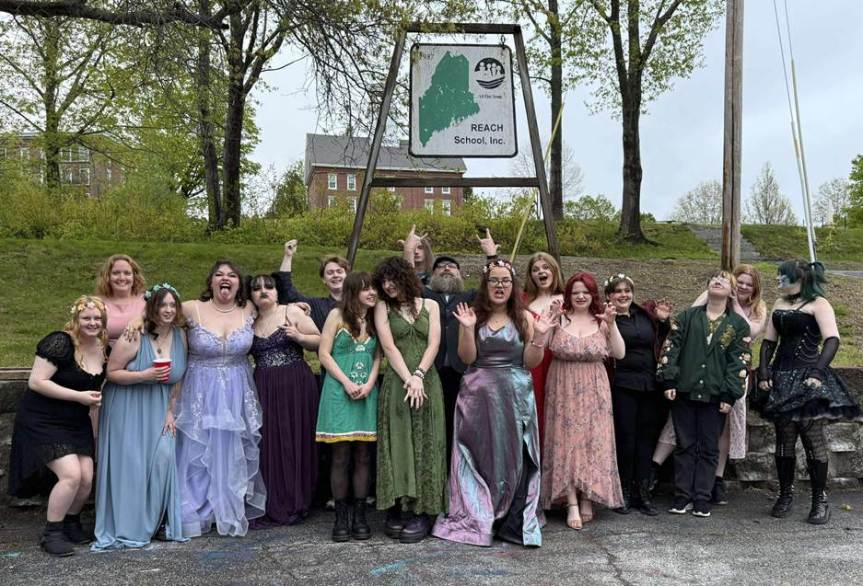
Members of the REACH School gather around founder the late Dot McMahan.
The Rural Educational Alternative Community Middle/High (REACH) School in Bucksport is a private, nonprofit alternative middle and high school program designed to meet students where they are academically, socially, and emotionally. Serving students from RSU 25—which includes Bucksport, Orland, Prospect, and Verona Island—as well as surrounding communities, the REACH School provides an alternative learning environment centered on engagement, relationships, and individualized support for students who have struggled to find success in traditional school settings.
Within a small, community-based environment, students at the REACH School reconnect with learning through hands-on instruction, consistent relationships, and real-world application. The REACH School emphasizes student responsibility for academic progress, personal growth, and goal setting, while fostering collaboration among students, families, staff, and the broader community.
Leadership and Student Connection
The REACH School director and teacher Seth Laplant joined the program in 2020 after nearly two decades working in education.
“Students can’t really learn until they feel comfortable and curious,” Laplant said.
In his dual role at the program, Laplant said he has noticed that many students arrive having experienced long-term academic and personal challenges that affected their confidence in school.
“What many of them share is that they’ve stopped believing they can be successful in school,” Laplant said.
Teacher Holly Cough began working at the school as a volunteer before transitioning into a full-time teaching role. She now works alongside Laplant, supporting students through academic instruction and social-emotional learning.
Cough said the focus of their work is on rebuilding confidence by creating an environment where students feel safe enough to take risks.
“When students stop being afraid to fail, they start taking chances again,” Cough said.
Program Background and Approach
The REACH School was founded in 1987 by a group of educators to provide both adult and alternative education. Later, the program narrowed its focus solely to alternative education. Over time, the school developed a model centered on individualized instruction, student responsibility, and community connection.
Many students who attend the program have experienced anxiety, interrupted educational pathways, or difficulty engaging in larger school environments.
“There’s really no typical alternative education student,” Laplant said. “What we see is a wide range of needs but a shared experience of being disconnected from school.”
Instruction, Learning Structure, and Applied Learning
The REACH School provides flexible instruction for students in grades 7-12, with learners often working across multiple academic levels within the same classroom. Core academic areas include English, mathematics, science, and social studies, with an emphasis on individualized pacing, credit attainment, and applied learning aligned with graduation requirements.
Rather than progressing through content in a single sequence, students work across different skill levels based on their needs and progress.
“We’re looking at how students are engaging in the learning, not just whether they complete something,” Laplant said. “It shifts the focus toward growth and participation.”
That approach shapes daily instruction. Teachers use a blend of direct instruction, small-group collaboration opportunities, discussion-based learning, and independent work, allowing students multiple ways to access content and demonstrate understanding. Mathematics instruction ranges from “Math for Life,” which emphasizes financial literacy and real-world application, to algebra, geometry, and advanced independent study. English instruction spans foundational literacy development through college and career writing preparation.
Project-based learning is also embedded throughout instruction and used to connect academic content to real-world applications. Through Project REACH, students take on large-scale, student-led initiatives that require planning, collaboration, budgeting, and execution.
“These projects give students ownership over something real,” Cough said. “They’re not just completing assignments. They’re building something together.”
Recent examples include a student-run haunted house, developed after “Fright at the Fort” at Fort Knox was discontinued, where students organized, designed, and operated a community event. Smaller classroom projects also extend learning opportunities, including a “Little Free Art Library,” designed, built, and painted by students for community art exchange.
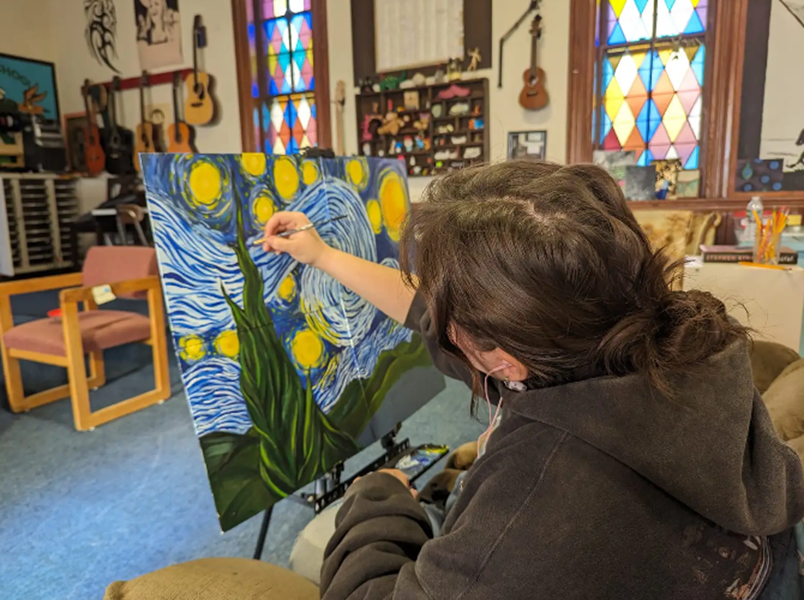
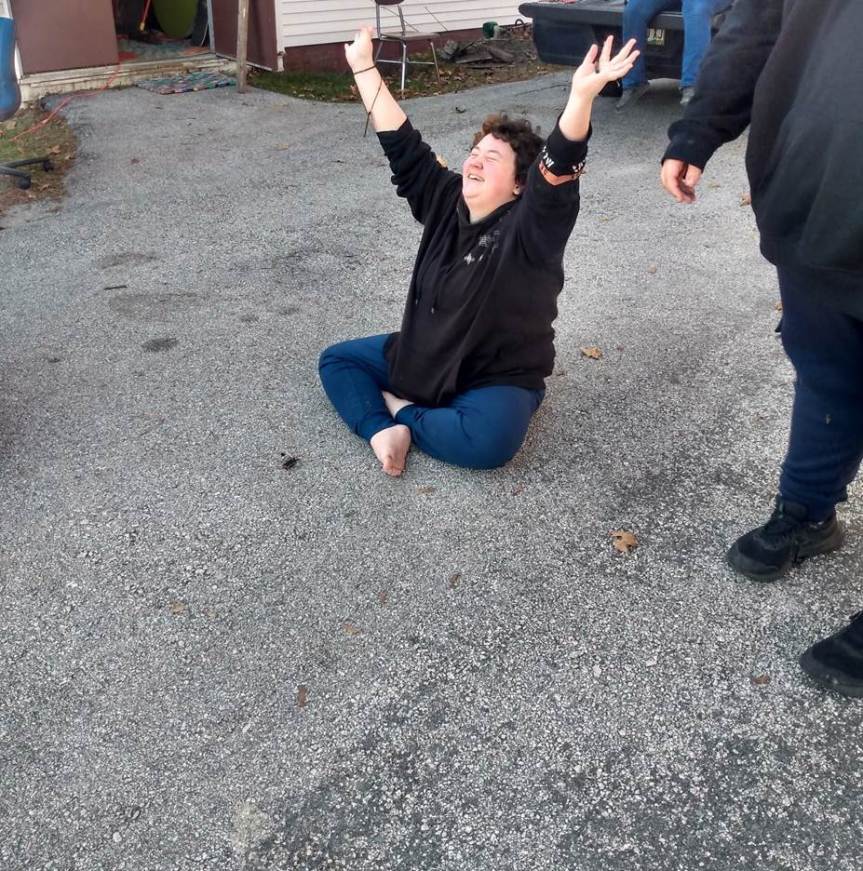
Across classes, students regularly engage in group discussion, brainstorming, and collaborative problem-solving before transitioning into independent work.
“We hold students to high expectations,” Laplant said. “But we also meet them where they are.”
Life Skills, Responsibility, and Career Readiness
The REACH School integrates life skills instruction through “Adulting 101,” which includes budgeting, transportation, laundry, and independent living skills.
Students also participate in structured career exploration to support postsecondary planning and workplace readiness.
A defining feature of the program is shared responsibility for maintaining the school environment. With no custodial staff, students rotate duties such as cleaning, organizing, and maintaining shared spaces. This structure is intended to build accountability, independence, and real-world responsibility.
Student Support and Mentorship
The REACH School provides academic and social-emotional supports through school staff and community partnerships, reflecting broader statewide efforts to strengthen coordinated student support systems in alternative education settings.
The program partners with organizations such as Healthy Acadia and RSU 25 to provide access to recovery coaching, counseling supports, and social work services. These partnerships supplement available supports, particularly as demand for mental health and behavioral services continues to increase.
“It has helped us identify needs earlier and respond more quickly,” Cough said.
Within the school, additional support is provided through regular check-ins between staff and students focused on academic progress, well-being, and personal goals. Staff said these conversations are valuable for maintaining connection and early awareness of student needs, although capacity for formalized support remains limited.
As student needs continue to grow across alternative education programs statewide, educators say schools are increasingly relying on coordinated systems that combine school-based staff with regional providers to expand access without additional dedicated resources.
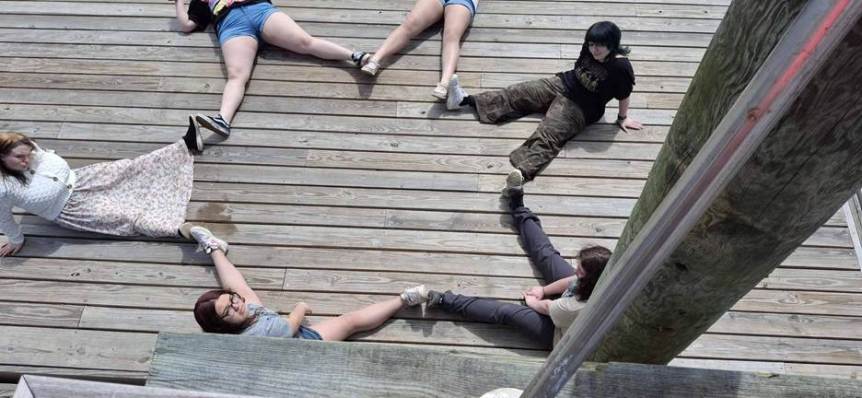
Due to the school’s small size, peer mentorship also plays a visible role in daily life. Students who have been in the program for a longer amount of time often support newer students as they adjust to academic expectations, routines, and the school environment.
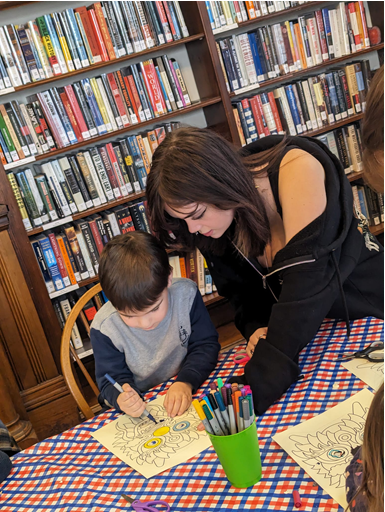
“We see students supporting each other in meaningful ways,” Laplant said.
School Culture and Daily Structure
Community-building is embedded in daily routines at the REACH School.
Each morning begins with a schoolwide meeting where students and staff participate in a “Question of the Day,” share updates, and engage in discussion. Topics often include personal experiences, school events, and broader social-emotional themes.
“As teachers, we participate in those conversations, too,” Cough said. “It helps build trust and openness across the school.”
Students who arrive late receive a shortened version of the meeting to remain connected to daily dialogue.
The school maintains traditions and student-led activities throughout the year, supporting connection, belonging, and engagement.
Post-Graduation Pathways
Graduates of the REACH School pursue a wide range of pathways, including college, technical training, employment, travel, volunteer service, and creative careers. Many remain connected to the program after graduation through volunteering or continued involvement with school activities.
Teachers and families often report increased confidence and independence among students who have completed the program.
“We hear from families and former teachers that students are completely different when they leave here than when they arrived,” Cough said.
As alternative education continues to evolve across Maine, the REACH School highlights how engagement-based instruction, real-world learning, shared responsibility, and strong relationships can help students reconnect with education and move toward meaningful future pathways.
Related
Legal Disclaimer:
EIN Presswire provides this news content "as is" without warranty of any kind. We do not accept any responsibility or liability for the accuracy, content, images, videos, licenses, completeness, legality, or reliability of the information contained in this article. If you have any complaints or copyright issues related to this article, kindly contact the author above.
